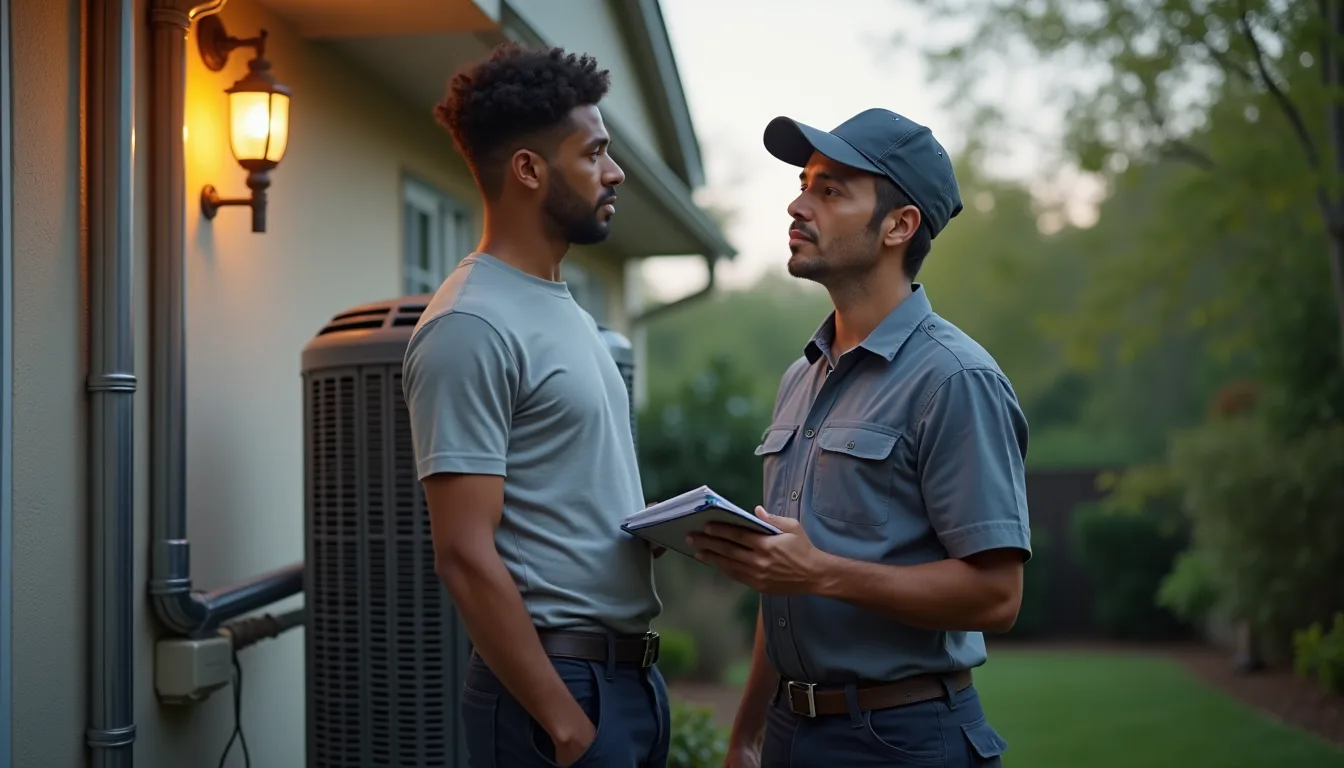
What to Do When Your HVAC System Breaks During a Jarrell Fall Storm
Published: 2026-04-25 · By JarrellPros AC Repair & Heating Services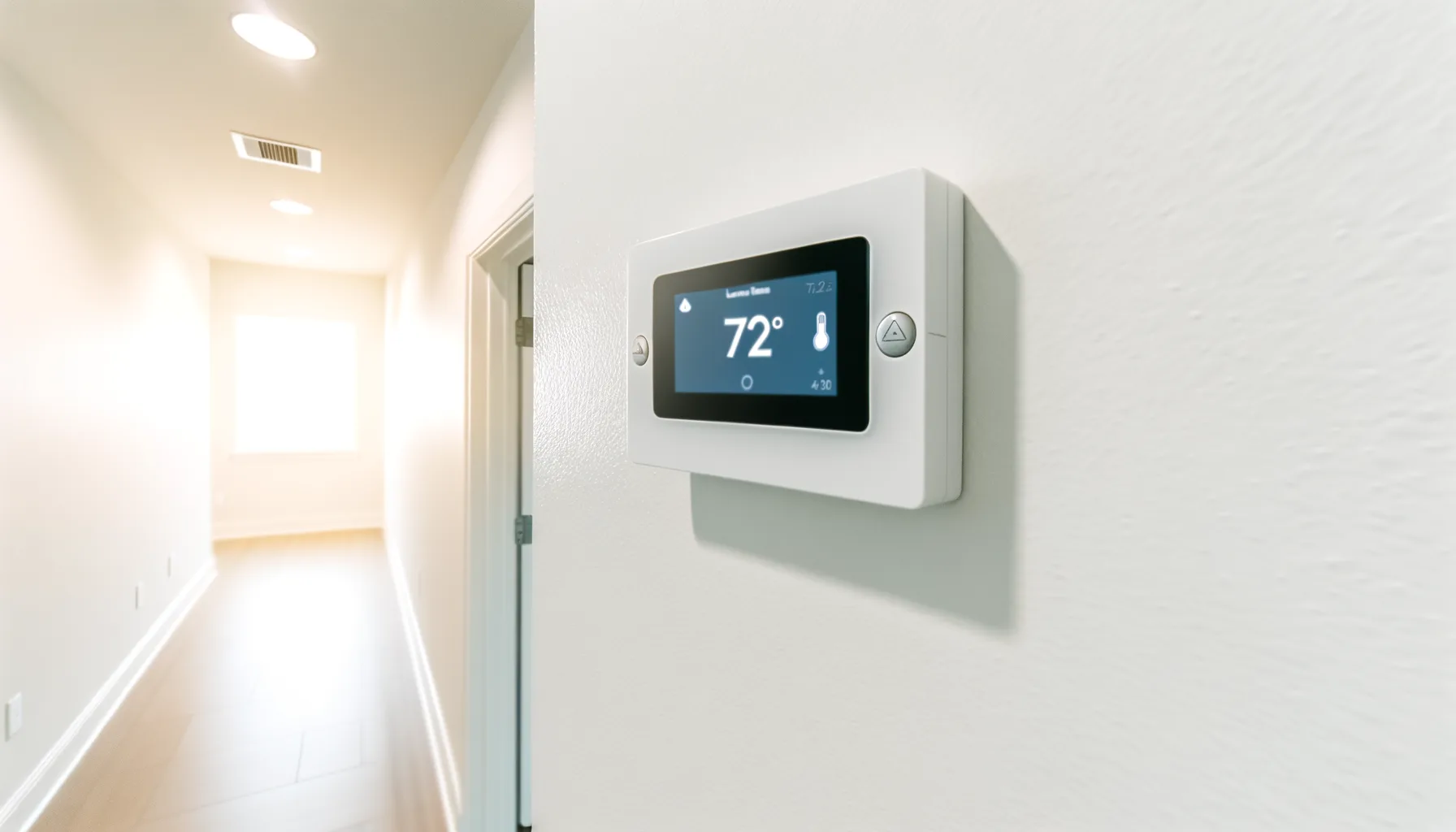
As the oppressive heat of summer begins to wane and fall storms roll into Jarrell, many homeowners may find themselves reaching for the thermostat, hoping for a comfortable indoor respite. However, nothing can sour the joy of enjoying a cool evening breeze quite like an HVAC system that decides to break down amid one of those early fall thunderstorms. Imagine returning home to a house that feels warmer than outside, just as the first drops of rain begin to fall — it's a scenario that can unfold all too quickly in our Texas climate.
Why This Matters for Jarrell Homeowners
For residents in Jarrell, the threat of a malfunctioning HVAC system during a fall storm is not just an inconvenience; it can lead to significant discomfort and potential damage to your home. Given the propensity for high humidity and severe thunderstorms, a non-functioning air conditioner can rapidly increase indoor humidity levels, creating an unhealthy environment. On top of this, the tumultuous weather can cause electrical surges and water damage, which can further compromise your system.
Additionally, Texas properties often struggle with foundation issues due to our unique clay soils, which expand and contract. A malfunctioning HVAC can exacerbate these problems by failing to regulate indoor moisture levels properly. For homeowners already grappling with maintenance on their foundations, a failing HVAC system can become a costly situation when tackled alongside existing home challenges.
Tip: Keep an eye on your HVAC system before storm season approaches. Regular maintenance can help ease the strain on your system and avoid breakdowns during critical times.
Without prompt attention, the health of your HVAC system could be compromised further, leading to unexpected repair costs that can total anywhere from a few hundred to several thousand dollars. During stormy weather, local HVAC services often get inundated with calls, meaning long wait times for repair can leave you stranded in your own home.
Expert Solutions & Actionable Tips
1. Check Your Circuit Breaker
When you notice your HVAC system has stopped working during a storm, the first step is to inspect your circuit breaker. Thunderstorms can cause power surges that trip your system's breaker. A simple flick back to 'on' could resolve your issue, saving you the cost of an unexpected service call. This is free, quick, and can be done in a matter of minutes.
2. Clean the Condenser Unit
Before a storm hits, try to clear any debris surrounding your outdoor condenser unit. Leaves, twigs, and dirt can obstruct airflow, causing the system to overheat. A simple cleaning can often prevent a breakdown. Most homeowners can tackle this task themselves, but consider hiring a local HVAC pro if it's too challenging, which may cost around $75 to $150 for thorough cleaning services.
3. Change the Air Filters Regularly
This may seem trivial, but regularly changing your air filters can improve your system's efficiency, especially before unpredictable weather. A clean filter can help avoid costly breakdowns when moisture levels rise. Plan to replace these filters every 30 to 90 days depending on usage, which costs about $10 to $30 per filter.
4. Use a Dehumidifier
In humid times, using a dehumidifier can assist your HVAC system, reducing the load especially during fall storms. Operating a dehumidifier can lower humidity levels significantly, allowing your HVAC to work more effectively. For a good unit, you might spend between $200 to $500, while a portable unit could cost less.
5. Get Regular HVAC Maintenance
Scheduling regular checks with an HVAC professional can catch problems before they escalate. Typically, maintenance services are scheduled twice a year starting around $100 to $200 each visit. An annual service ensures all parts function correctly and prolongs the life of your system, particularly before storm season.
6. Install Surge Protectors
Consider installing surge protectors for both your HVAC system and your home's electrical circuit. This small upfront cost, generally around $200 to $400 depending on your system, can save you from costly repairs caused by power surges during thunderstorms.
Jarrell Climate & Local Context
Jarrell, with its high temperatures and heavy humidity, demands robust air conditioning systems to maintain comfort. Homes often face unique challenges due to the area's clay soil, which can shift and cause foundational issues as moisture levels fluctuate. This is compounded by our sometimes sudden and severe thunderstorms that can occur in the fall.
When planning HVAC work, it’s crucial to consider local building codes and permit requirements that regulate installation and repairs in Jarrell. Always check with local authorities or professionals to ensure compliance, as this can prevent hefty fines or further complications down the line.
When to Call a Professional
While certain HVAC issues may be manageable on your own, there are times when calling a professional is the best course of action, especially during emergencies caused by severe weather. Signs that you should seek expert help include:
- Your HVAC system is blowing warm air.
- Unusual noises or odors coming from the HVAC unit.
- You have water pooling around your HVAC equipment.
- Your HVAC is short-cycling, turning on and off rapidly.
- Unresponsive thermostat.
- Inconsistent temperatures in different areas of your home.
Since Jarrell faces unique weather conditions, contacting a local professional ensures immediate access to the resources needed for effective repairs.
Frequently Asked Questions
What should I do first if my HVAC system fails during a storm?
If your HVAC system fails during a storm, begin by checking your circuit breaker to see if it has tripped. This is often the simplest fix. If this does not resolve the issue, it’s best to call an HVAC professional.
How long does HVAC repair typically take in Jarrell?
Repairs can vary but generally take anywhere from a couple of hours up to a full day depending on the issue. Sourcing specific parts because of local supply issues can sometimes extend this time frame.
What are common signs that my HVAC needs repair?
Signs include uneven temperatures, strange sounds, or unpleasant odors emanating from the unit. If your system is not maintaining a set temperature effectively, it needs attention.
Is it safe to use my HVAC unit during a storm?
Using your HVAC unit during a storm can be safe, but be cautious of severe electrical storms. If you experience power surges, shut off your unit to avoid further damage.
Should I wait until after the storm to have my HVAC serviced?
Unless it is an emergency, it’s wise to wait until the storm passes. Safety is the priority, as storms can create unsafe working conditions for repairs.
Get Expert HVAC Service in Jarrell
To ensure your home stays comfortable during unpredictable storms this fall, don't hesitate to reach out to JarrellPros AC Repair & Heating Services. Our team is ready to assist you with all your HVAC needs, helping to ensure your system is prepared for whatever the Texas weather might throw at it.
Call us today at (737) 316-5387 to get your system checked. Your comfort and peace of mind are just a phone call away!